A vitamin C serum is an antioxidant step that helps protect skin from everyday damage, brightens a dull-looking complexion and, with steady use, helps fade the look of dark spots. Apply it to clean, dry skin, follow with moisturiser, and always finish with sunscreen in the morning. In Pakistan's heat, the form of vitamin C and how the bottle is stored matter almost as much as the ingredient itself.
What vitamin C does for your skin
- Antioxidant protection: sun, pollution and smoke create unstable molecules called free radicals that damage skin. Vitamin C is one of the most plentiful antioxidants in skin, and applying it helps neutralise them.
- Brighter, more even-looking tone: vitamin C interferes with tyrosinase, the enzyme skin uses to make pigment. That's why it's used for dullness, sun marks and the dark marks left after spots.
- Support for collagen: skin needs vitamin C to make collagen, the protein that keeps it firm. This is part of why it appears in anti-ageing routines.
- A partner for sunscreen: dermatologists describe vitamin C and sunscreen as working together. Vitamin C is not a sunscreen, though, and never replaces one.
Drinking orange juice or taking tablets is good for your body, but very little of that vitamin C reaches the skin. Applying it is the way to get these skin benefits.
Pure vs stable vitamin C: which form?
Vitamin C appears on labels under several names. The two you'll see most in serums are:
| L-ascorbic acid | 3-O-ethyl ascorbic acid | |
|---|---|---|
| What it is | Pure vitamin C | A stabilised form of vitamin C |
| Research | The most studied form | Less research than pure vitamin C |
| Stability | Breaks down with light, heat and air | Made to resist oxidation |
| Sensitive skin | Needs a very acidic formula, which can sting | Generally gentler |
Pure L-ascorbic acid is the most researched form, but it's unstable. Exposed to light, heat and air, it oxidises and gradually loses its activity. Stabilised forms were developed to get around that. The trade-off is that they have been studied less, so it's fair to say the evidence for any vitamin C serum is promising rather than settled.
Why stability matters in Pakistan's heat
Summer temperatures in many Pakistani cities pass 40°C, and a bathroom shelf, handbag or parked car can get hotter still. Heat speeds up the breakdown of unstable vitamin C, so a serum that works well in a cool climate may not last as long here. Whatever you use:
- Choose dark or amber packaging, ideally a pump rather than an open dropper bottle.
- Keep the cap closed and store the bottle in a cool, dry place away from direct sunlight.
- Never leave it in a car or on a sunny windowsill.
- Use it up within the time shown on the pack after opening.
Orange means oxidised
Fresh pure vitamin C serum is almost colourless. As it oxidises, it turns yellow, then orange and eventually brown. A serum that has clearly darkened has lost much of its activity, and oxidised vitamin C can leave a yellowish tinge on skin. If yours has changed colour or smell, replace it.
How to use a vitamin C serum
- Cleanse and pat your skin dry.
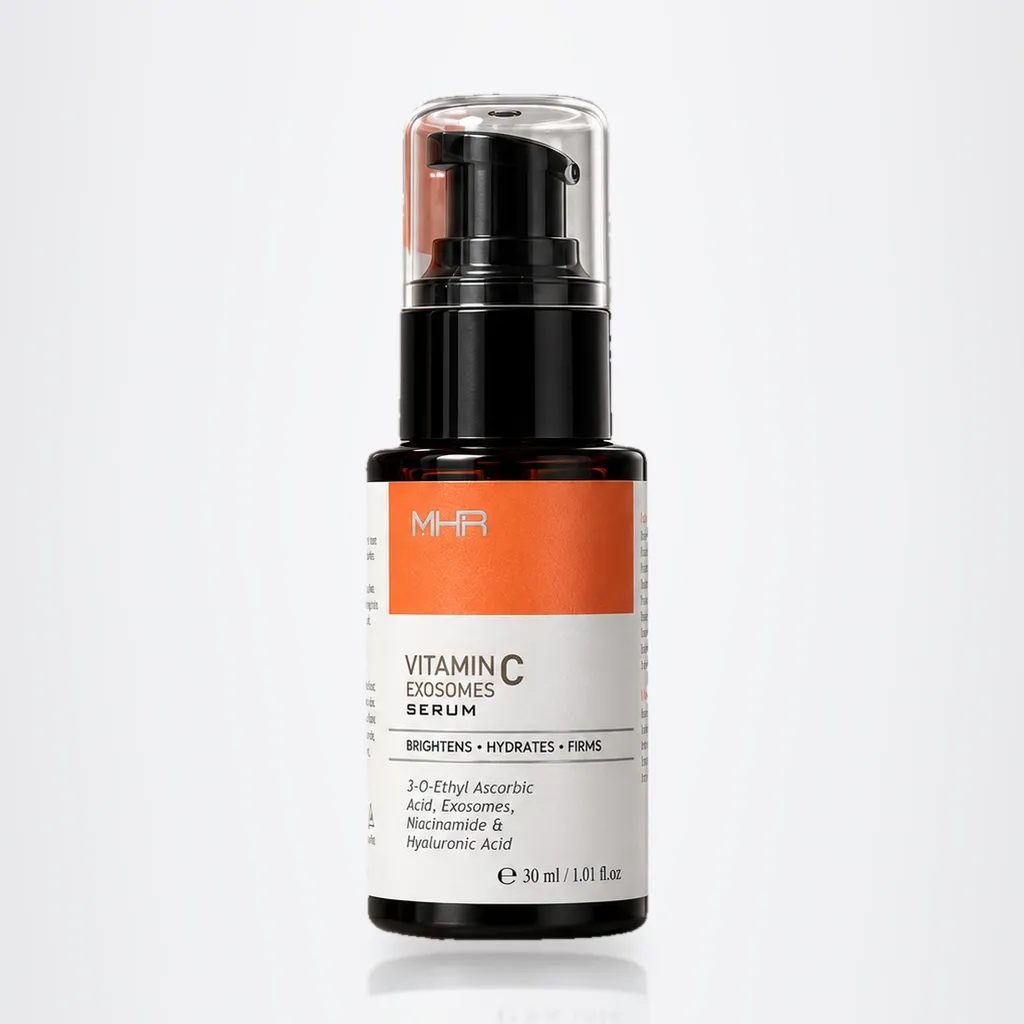
- Apply the serum to your face and neck. For our Vitamin C Exosomes Serum, that's 2–3 pumps.
- Massage gently until it has absorbed.
- Moisturise.
- In the morning, finish with sunscreen, broad spectrum and SPF 30 or higher.
Morning or night?
Both work. Many dermatologists prefer the morning, because vitamin C backs up your sunscreen through the day. Our serum is designed for use morning and evening. If your skin is sensitive, start with once a day and build up.
Layering with niacinamide, hyaluronic acid and sunscreen
Vitamin C is easy to combine. A simple order is: vitamin C, then hyaluronic acid, then moisturiser, then sunscreen in the morning.
- Niacinamide: most people can use the two together. Our serum already contains niacinamide and alpha-arbutin alongside vitamin C, so you may not need a separate niacinamide product. See vitamin C and niacinamide together for when one serum is enough.
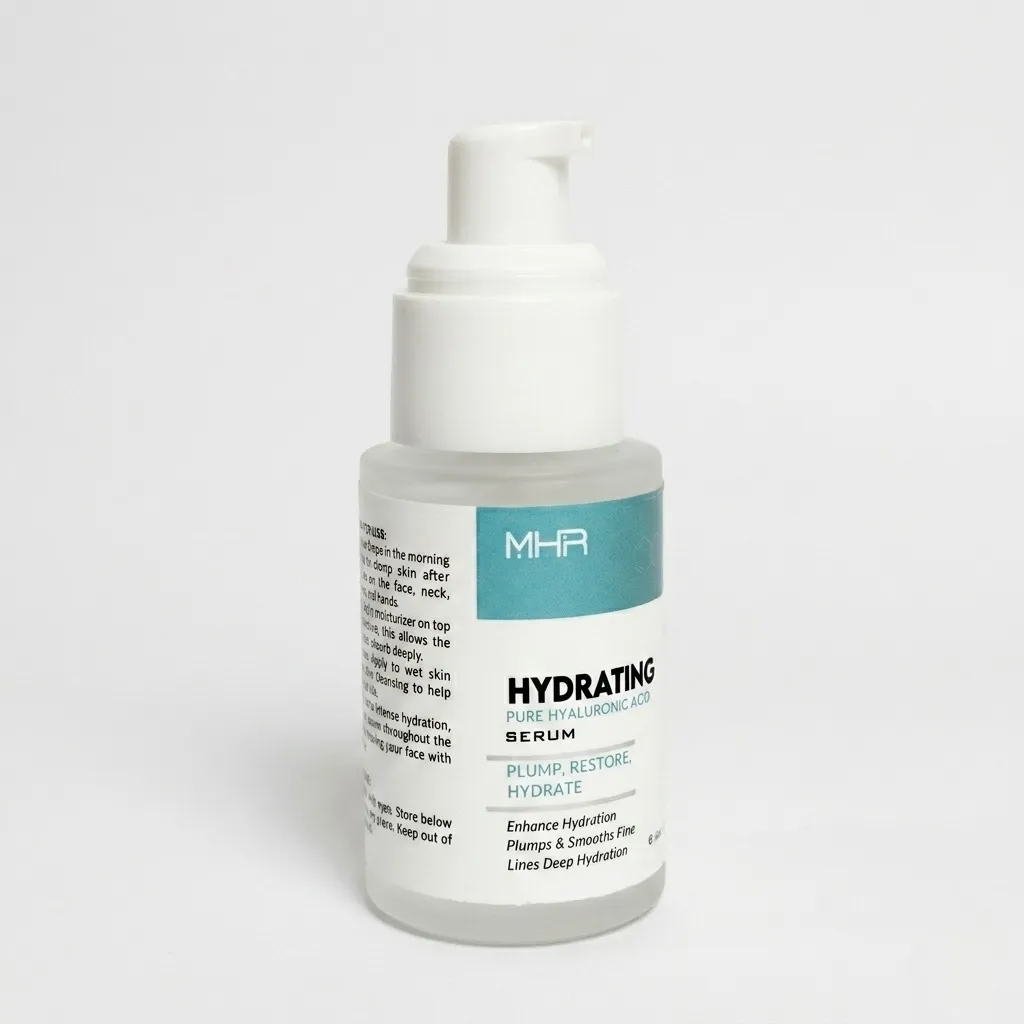
- Hyaluronic acid: adds water-based hydration without oil. Our Hydrating Pure Hyaluronic Acid Serum takes 1–2 pumps after your vitamin C, pressed in rather than rubbed, before moisturiser. Hyaluronic acid works best with a little moisture on the skin, so you can lightly dampen your face first.
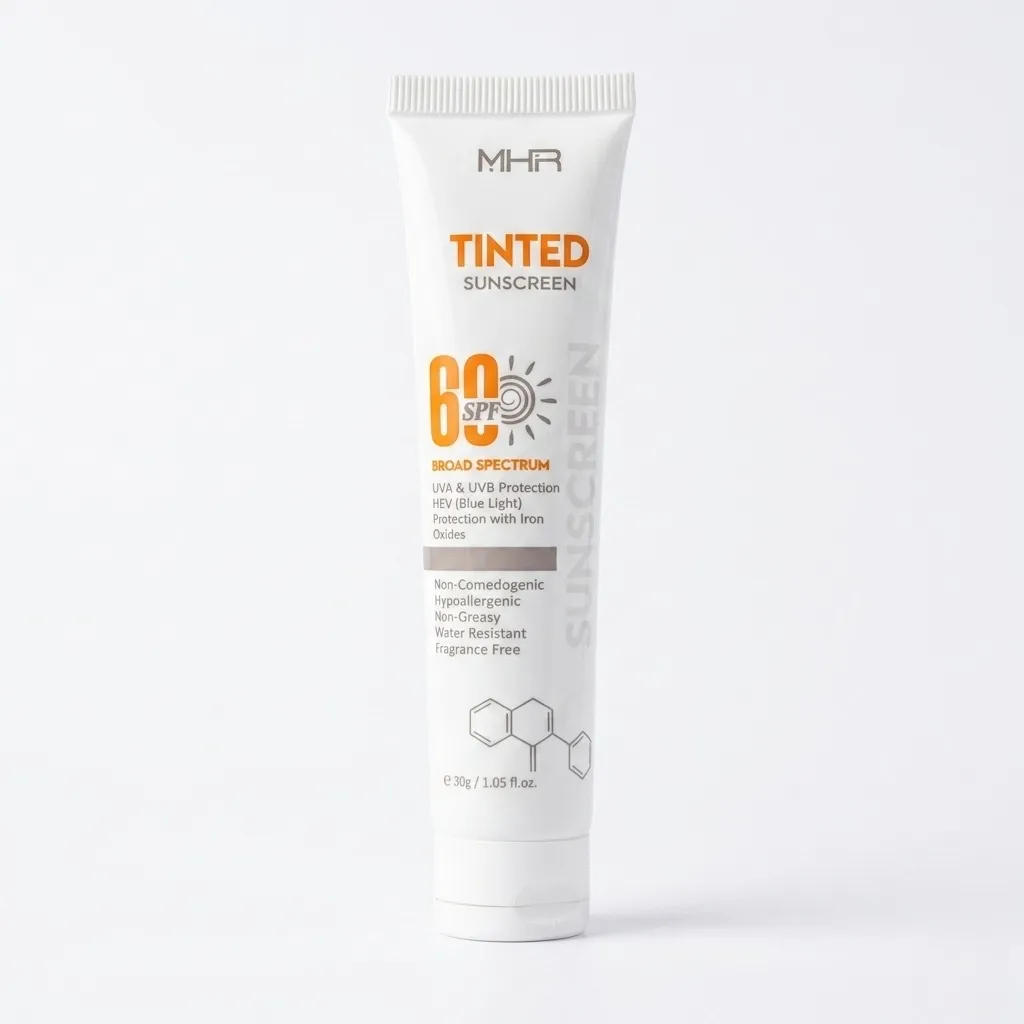
- Sunscreen: the step that makes the rest worthwhile. Sun exposure darkens marks faster than any serum can fade them. Use about two finger-lengths for your face, plus a little more for your neck, and reapply about every two hours outdoors. Our Tinted Mineral Sunscreen SPF 60 also has an iron-oxide tint that helps filter visible light.
If you use a prescription treatment such as a retinoid, ask your doctor how to fit vitamin C around it.
Who should patch test first?
Anyone can react to a new product, so a patch test is sensible for everyone. It matters most if your skin is sensitive or easily irritated, if you have eczema or rosacea, or if you're already using other active ingredients.
The American Academy of Dermatology suggests applying the product to a small spot, such as the inside of your elbow, twice a day for seven to ten days. If there's no redness, itching or swelling, go ahead. If there is, wash it off and don't use it again. Mild tingling can happen with vitamin C, but ongoing stinging, redness or peeling means stop.
What results are realistic?
- In the first few weeks: skin may look fresher and feel more hydrated, especially with a serum that also contains hyaluronate.
- Around three months: a Cleveland Clinic dermatologist suggests this is how long it takes to really see changes in tone and dark spots. Take a photo in daylight once a month so you can compare fairly.
- Older or deeper marks: can take many months to fade, and some need a dermatologist.
Results also depend on keeping going. Research suggests the brightening effect fades once you stop applying vitamin C, and without daily sunscreen marks can return.
Vitamin C serum price in Pakistan: what you're paying for
Prices vary widely, so compare what's in the bottle rather than the number alone:
- The form of vitamin C, named in the full ingredient list.
- Packaging that protects it from light and air.
- Size: work out the cost per ml, and whether you'll finish it while it's fresh.
- Supporting ingredients that might save you buying a second serum.
- A clear label with the maker's details, batch number and expiry date.
Our Vitamin C Exosomes Serum is a 30 ml serum made in the UK, in an amber pump bottle. It combines 3-O-ethyl ascorbic acid with exosomes, alpha-arbutin, niacinamide and sodium hyaluronate. The current price is on the product page. To read more about the exosomes in it, see exosomes in skincare.
Common questions
Can I use vitamin C serum every day?
Yes. Topical vitamin C is generally considered safe for daily use. Start slowly if your skin is sensitive, and stop if irritation doesn't settle.
Does vitamin C make skin more sensitive to the sun?
It isn't known for that, and it's often used in the morning for its antioxidant support. You still need sunscreen every day, because vitamin C doesn't block UV.
Is a higher percentage better?
Not necessarily. For pure L-ascorbic acid, studies suggest benefits level off at around 20%, and higher strengths are more likely to irritate. Stabilised forms are used at different strengths, so compare the whole formula rather than one number.
My serum has turned orange. Can I still use it?
It has oxidised and lost much of its activity, so it's best replaced. Store the next bottle somewhere cool and dark.
This guide is general information, not medical advice. MHR products are cosmetic care and do not treat medical conditions. For persistent, changing or painful skin or scalp concerns, see a qualified doctor or dermatologist.
Sources
- Cleveland Clinic: What can vitamin C do for your skin?
- Al-Niaimi and Chiang: Topical vitamin C and the skin, mechanisms of action and clinical applications (Journal of Clinical and Aesthetic Dermatology, 2017)
- Telang: Vitamin C in dermatology (Indian Dermatology Online Journal, 2013)
- American Academy of Dermatology: How to test skin care products
- American Academy of Dermatology: How to apply sunscreen