Kojic acid, alpha arbutin, vitamin C and niacinamide all target pigment in different ways, but none of them works well without daily sunscreen. The aim of these ingredients is a more even-looking tone, not changing your natural skin colour.
What causes dark spots?
- Post-inflammatory marks are left behind after acne, a rash or other irritation. They can affect any skin type but are more common in deeper skin tones.
- Melasma appears as larger patches, often on the cheeks and forehead, and needs a doctor's input if it is persistent.
- Sun spots build up with long-term sun exposure.
How the ingredients compare
| Ingredient | How it works | What to know |
|---|---|---|
| Kojic acid | Inhibits tyrosinase, the enzyme involved in making pigment | Good head-to-head trials are lacking. Can irritate some skin. |
| Alpha arbutin | Also targets tyrosinase | Widely used, but controlled studies are limited. |
| Vitamin C | Antioxidant that also interferes with tyrosinase | Pure forms oxidise easily, so stabilised forms are common. |
| Niacinamide | Thought to slow the transfer of pigment to skin cells | Often well tolerated and easy to combine. |
Because these ingredients act at different points, they are often combined. The evidence for cosmetic brighteners varies, and much of it is small, so be wary of any product that promises a fixed result by a fixed date.
Sunscreen comes first
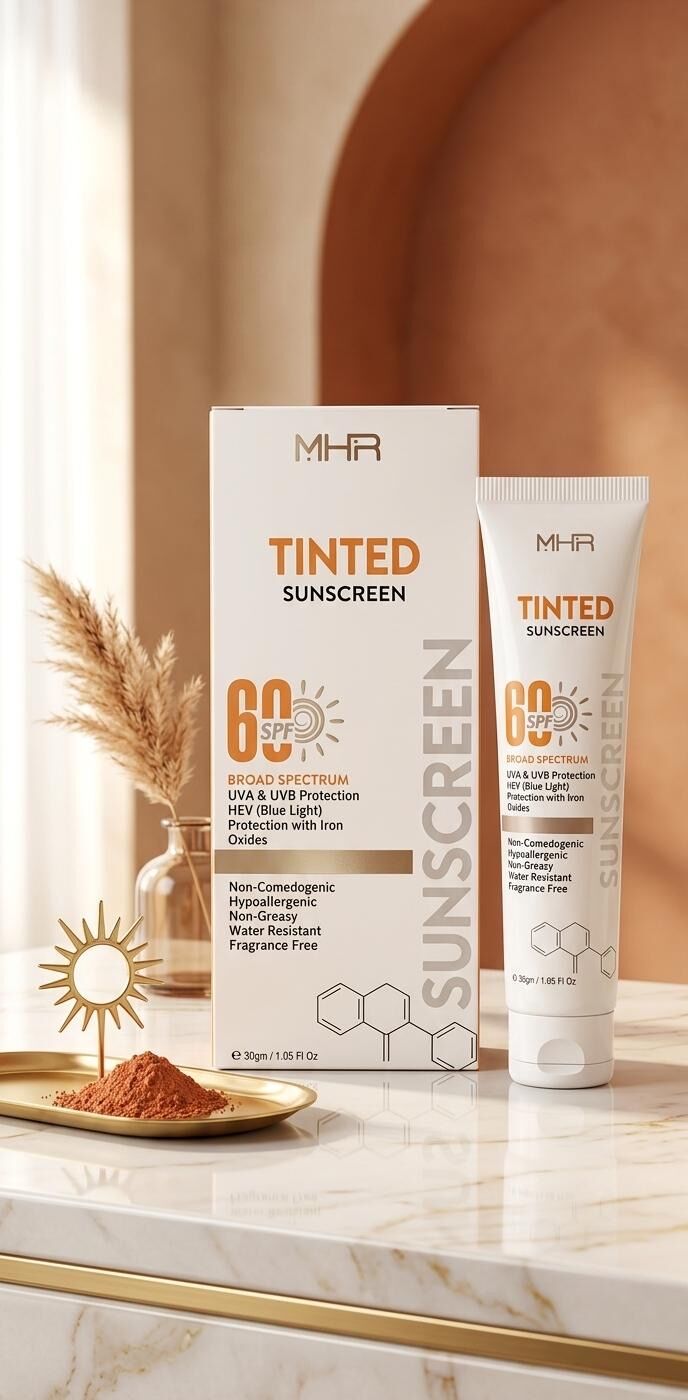
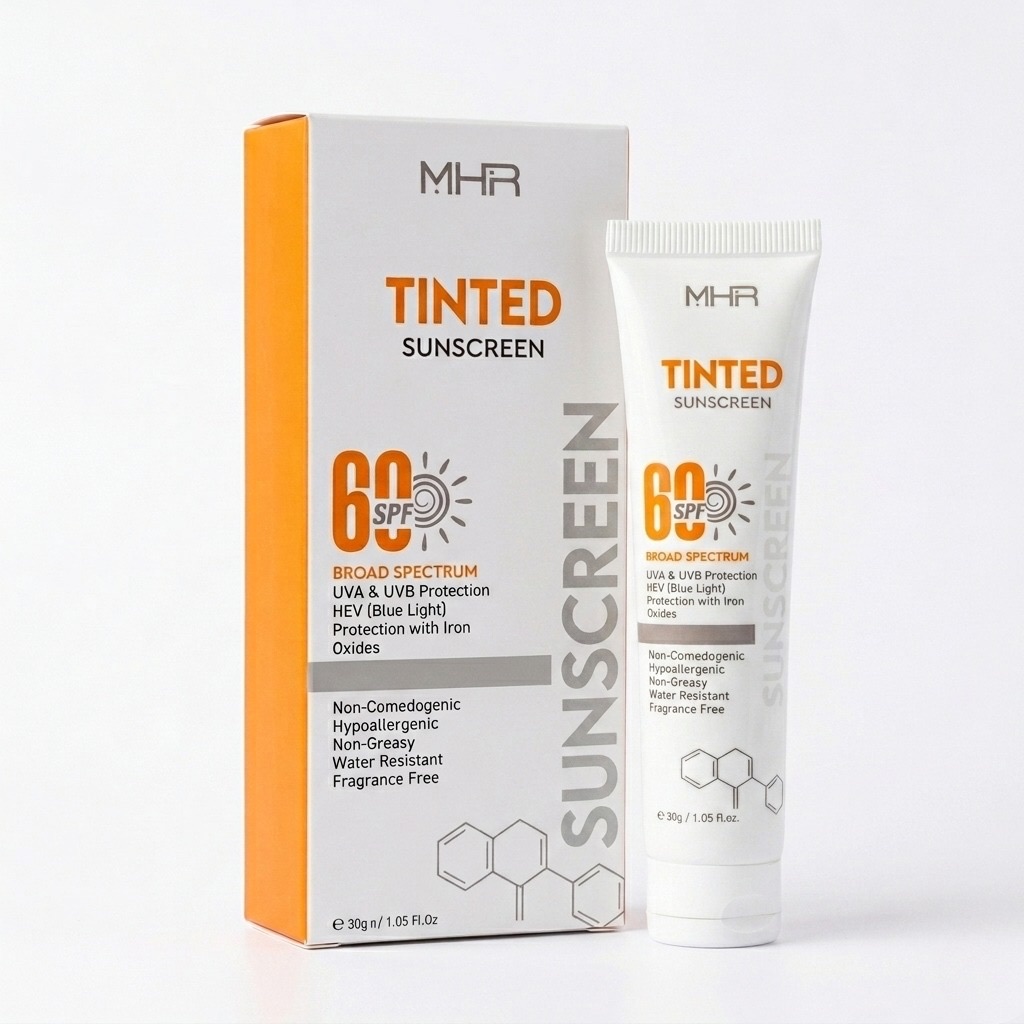
Sun exposure can make dark marks darker and slower to fade, so any brightening routine depends on daily protection. Use a broad-spectrum SPF 30 or higher every morning. A tinted formula with iron oxides also helps against visible light.
A simple routine
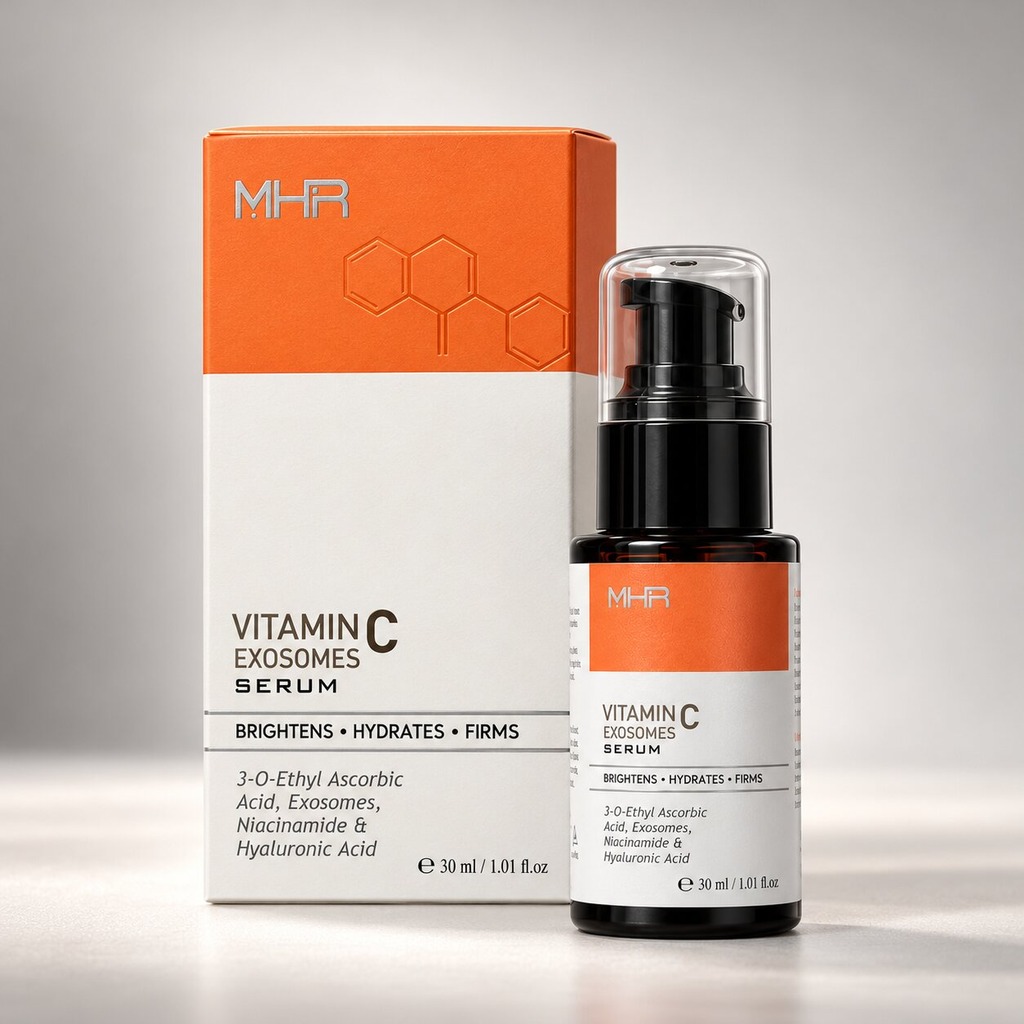
- Morning: cleanse, apply a brightening serum such as Vitamin C Exosomes Serum, moisturise, then apply sunscreen.
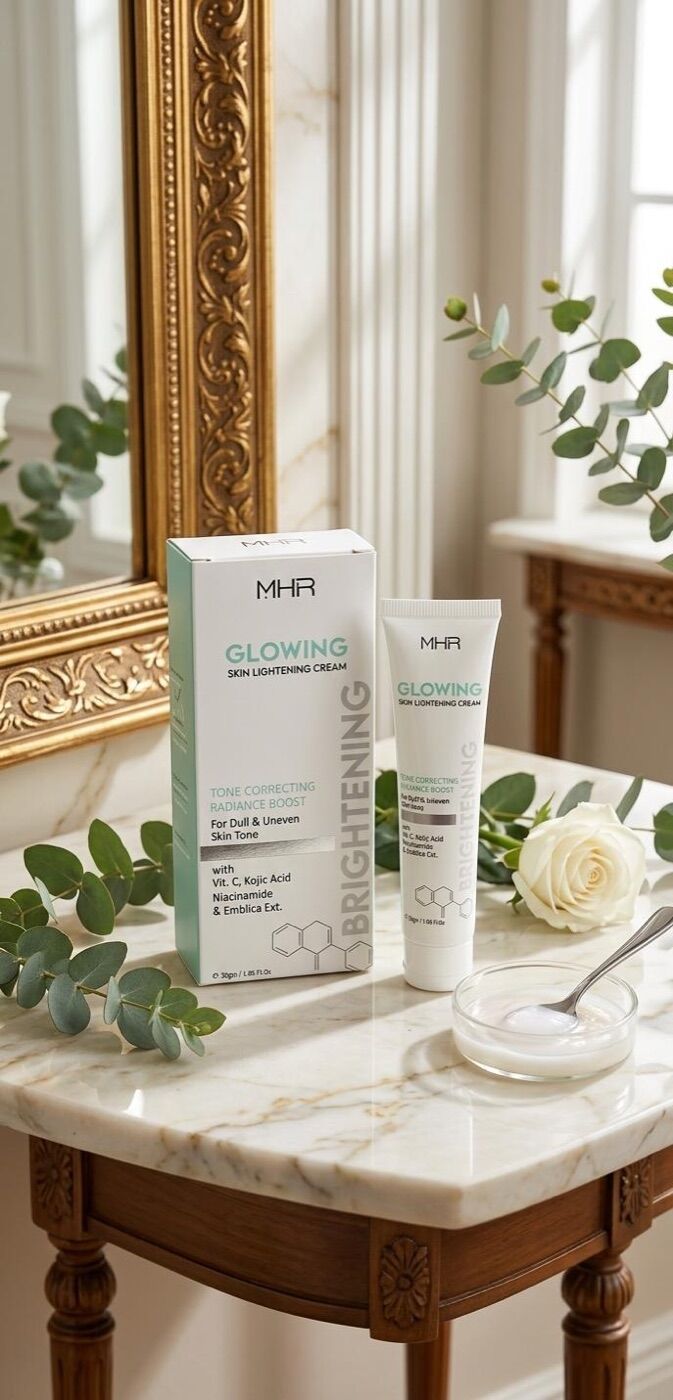
- Evening: cleanse, pat dry, then apply a thin layer of Glowing Skin Lightening Cream, avoiding the eye area.
Introduce one product at a time and patch test first. Results vary from person to person, and consistency matters more than strength.
Creams to avoid
The World Health Organization warns that mercury-containing skin lightening products are hazardous to health, and that some are still sold online and elsewhere despite being banned in many countries. It also names hydroquinone as a hazardous chemical found in these products.
- Avoid creams with no full ingredient list or no identifiable manufacturer.
- Be cautious with "whitening" mixes sold loose or made up in unmarked containers.
- Stop using any product that burns, peels or irritates your skin.
When to see a doctor
See a doctor or dermatologist if a mark is changing in size, shape or colour, bleeds, or does not improve. Melasma and persistent pigmentation are also worth professional advice.
This guide is general information, not medical advice. MHR products are cosmetic care and do not treat medical conditions. For persistent, changing or painful skin or scalp concerns, see a qualified doctor or dermatologist.