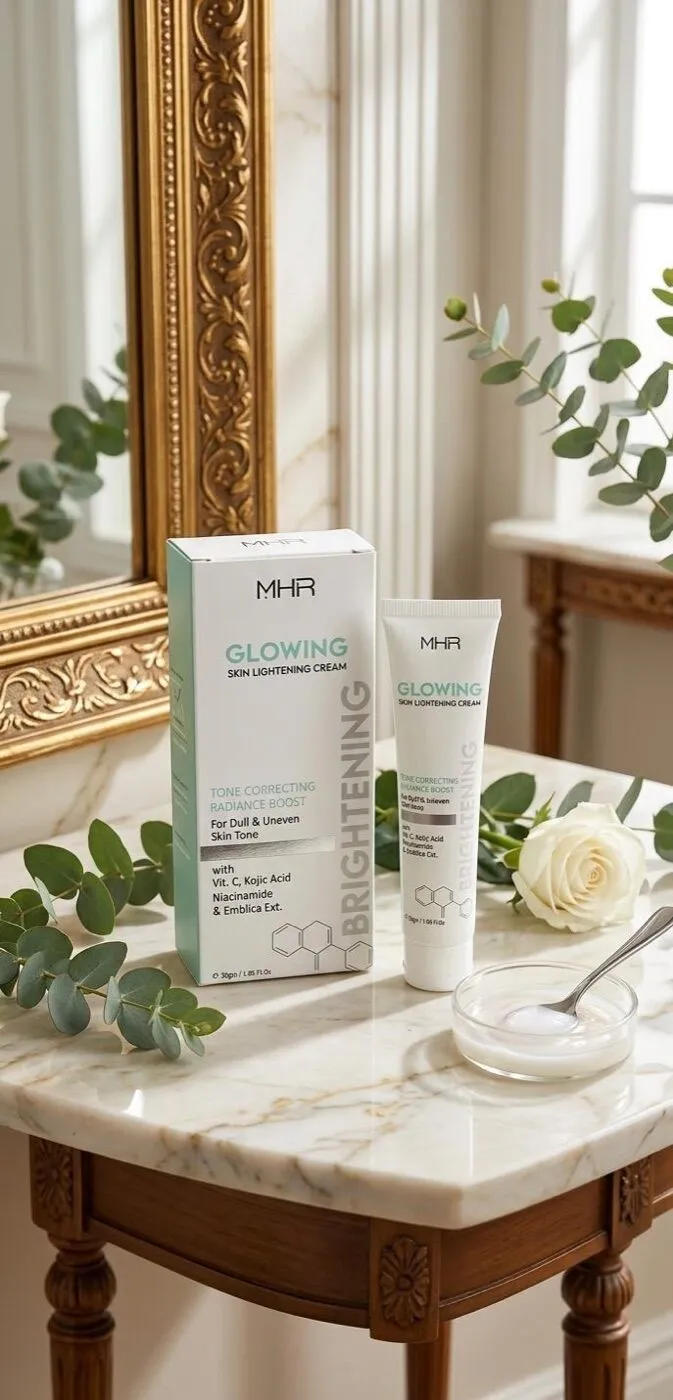
A safer choice is a brightening cream with a full ingredient list, a named manufacturer and cosmetic ingredients such as kojic acid, alpha arbutin, vitamin C or niacinamide, and you use it alongside daily sunscreen. It can help fade dark spots and even out patchy-looking tone. It cannot change your natural skin colour, and no cream should claim to. Every skin tone is healthy skin. The aim is clear, comfortable, even-looking skin in the tone you already have.
What a brightening cream can and can't do
Many creams sold in Pakistan are labelled "lightening", "whitening" or "fairness", and our own cream has "lightening" in its name. So it helps to be clear about what any cosmetic cream can realistically do.
What it can do
- Help fade the look of dark marks left after spots, rashes or minor injuries.
- Help soften sun marks and blotchy, uneven-looking areas.
- Brighten skin that looks dull or tired.
What it can't do
- Change the colour you were born with. Your natural skin tone is set by your genes.
- Work without sunscreen. Sun exposure keeps making marks darker.
- Clear melasma for good. Melasma often returns, and persistent patches need a doctor.
- Give a fixed result by a fixed date. Skin responds at its own pace.
A cream that seems to make your whole face several shades lighter within days is a warning sign, not a success. That kind of change usually points to an ingredient that shouldn't be in an unsupervised cream.
Ingredients commonly used in cosmetic brightening creams
These ingredients are widely used in non-prescription products to fade dark spots. They work on pigment in different ways, which is why they are often combined.
| Ingredient | How it works | What to know |
|---|---|---|
| Kojic acid | Slows tyrosinase, the enzyme involved in making pigment | Listed by the AAD among non-prescription ingredients that can fade dark spots. Can irritate some skin. |
| Alpha arbutin | Also targets tyrosinase | Widely used and usually well tolerated, though controlled studies are limited. |
| Vitamin C | Antioxidant that interferes with tyrosinase | Pure forms break down easily, so creams often use stabilised forms. |
| Niacinamide | Thought to slow the transfer of pigment to surface skin cells | Gentle, and also supports the skin barrier. |
Our guide to kojic acid, alpha arbutin and vitamin C for dark spots compares these in more detail.
Red flags: creams to avoid
Unlabelled "formula" and mixed creams
Creams sold loose in unmarked jars, mixed at a counter, or sold as a secret "formula" with no ingredient list are the riskiest of all. You can't know what's in them, how strong it is, or whether it's safe on your face. The American Academy of Dermatology warns that researchers have found steroids or mercury, not listed on the label, in some skin care products. Skip any cream with no full ingredient list, no manufacturer's name and address, and no batch number or expiry date.
Mercury
The World Health Organization warns that mercury-containing skin lightening products are hazardous to health and have been banned in many countries, yet are still sold online and elsewhere. The WHO lists kidney damage, nervous system damage and skin problems among the health effects of mercury. Mercury is rarely listed as "mercury" on a label, and a mixed cream has no label at all, which is another reason to avoid products you can't trace.
Hydroquinone and steroid creams without a doctor
Hydroquinone and corticosteroid creams are medicines, not cosmetics. Dermatologists do prescribe them, sometimes together with a retinoid for melasma, but only for a set time and under supervision. The British Association of Dermatologists says prescription lightening creams, such as those combining hydroquinone, a retinoid and a weak steroid, must only be used when prescribed and under medical supervision. Hydroquinone can irritate skin and, unsupervised, can cause over-lightening or even darker patches.
Steroid creams used on the face for a long time without a doctor can cause pimples and rashes, and thin, fragile or permanently discoloured skin. If you have been using a cream like this, don't keep using it on your own. Speak to a doctor about how to stop safely.
Other warning signs
- Promises to make you "fair" or "white", or results in a set number of days.
- Burning, peeling, new acne or rashes after you start using it.
- Skin that looks thinner, shinier or more easily irritated than before.
And never apply liquid bleach to your skin: dermatologists warn it is harmful.
Why sunscreen matters more than any cream
Sunlight makes skin produce more pigment, which darkens existing marks and creates new ones. Visible light plays a part too, especially in medium and deeper skin tones. Dermatologists say sunscreen used daily can prevent new dark spots and help existing ones clear. Without it, a brightening cream is working against the sun every day.
Use a broad-spectrum sunscreen of SPF 30 or higher every morning, and reapply about every two hours outdoors. For dark marks, the AAD suggests a tinted sunscreen with iron oxides, which help filter visible light. Our Tinted Mineral Sunscreen SPF 60 has 20% zinc oxide and an iron-oxide tint.
How to use a brightening cream safely
- Patch test first on a small area, such as the inside of your elbow, for a week or so.
- Cleanse and pat your face completely dry.
- Apply a thin layer over the face, neck and affected areas, avoiding the eye area.
- Use it consistently rather than piling on more. A thicker layer doesn't work faster.
- Wear sunscreen every morning, whichever cream you use.
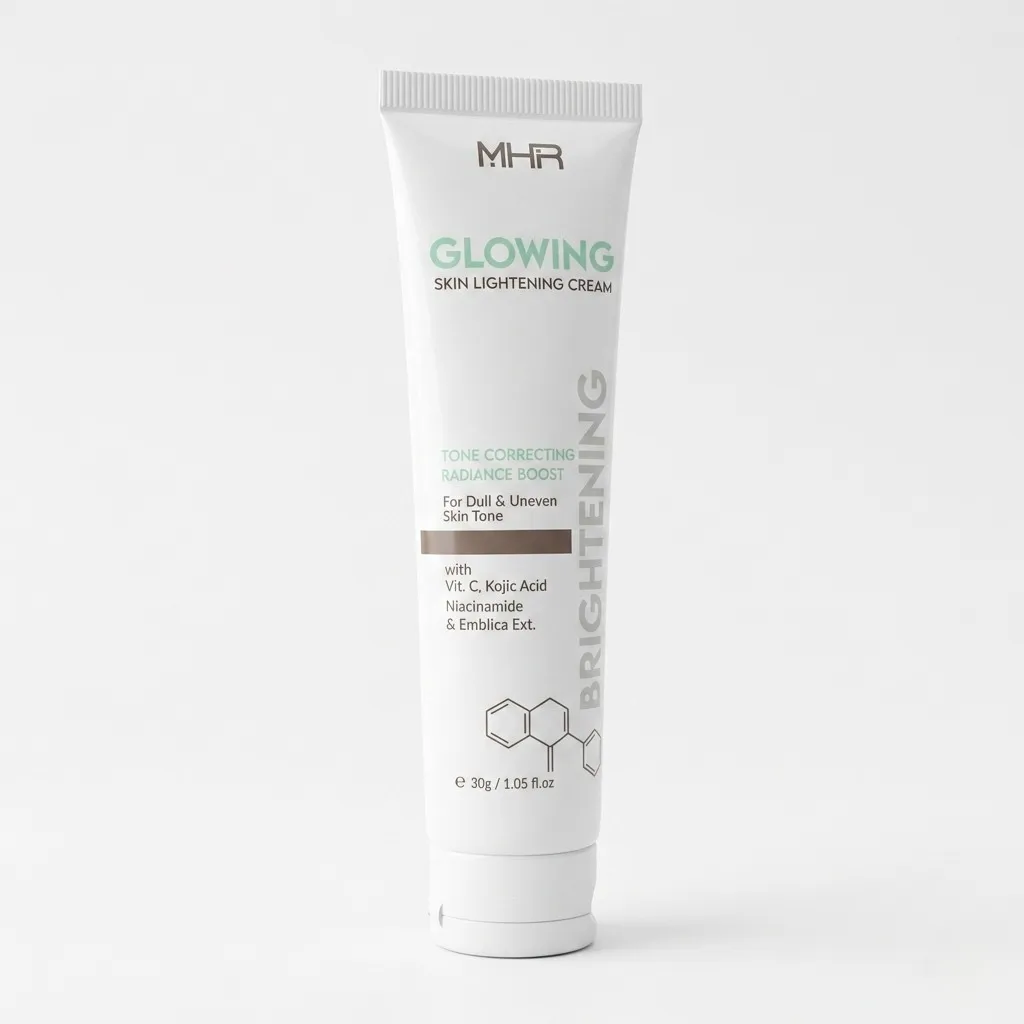
Our Glowing Skin Lightening Cream is a 30 g tube made in the UK. It combines vitamin C (sodium ascorbyl phosphate), kojic acid dipalmitate, alpha arbutin and emblica extract with niacinamide, hyaluronic acid and wheat germ oil. Use a thin layer on clean, dry skin once or twice daily, ideally at night, and always wear sunscreen during the day. Check the full ingredient list on the pack before you start.
When to see a dermatologist
- Patches on both cheeks, the forehead or above the upper lip, especially if they began in pregnancy or after starting hormonal medicine. This may be melasma, which often needs prescription care.
- A spot or patch that changes in size, shape or colour, bleeds, itches or feels raised.
- No improvement after a few months. For melasma, dermatologists recommend using a non-prescription product for no longer than three to six months.
- Pregnancy. Ask your doctor before using any brightening product.
- Any reaction that doesn't settle once you stop the product.
A dermatologist can find the cause, which matters because dark marks from acne, melasma and sun damage need different approaches.
Common questions
Will a skin lightening cream make me fairer?
No, and it shouldn't. A cosmetic brightening cream is for fading dark spots and evening out the look of patchy areas, not for changing your natural skin colour.
Is kojic acid safe?
It's widely used in cosmetic creams and is generally considered suitable for over-the-counter use. Some people find it irritating, so patch test first and stop if your skin stings or reddens.
How long does it take to see a difference?
Expect months rather than weeks. The AAD says a mark a few shades darker than your skin usually fades within six to twelve months once its cause is stopped. Deeper pigment can take longer.
Can I use a brightening cream with a vitamin C serum?
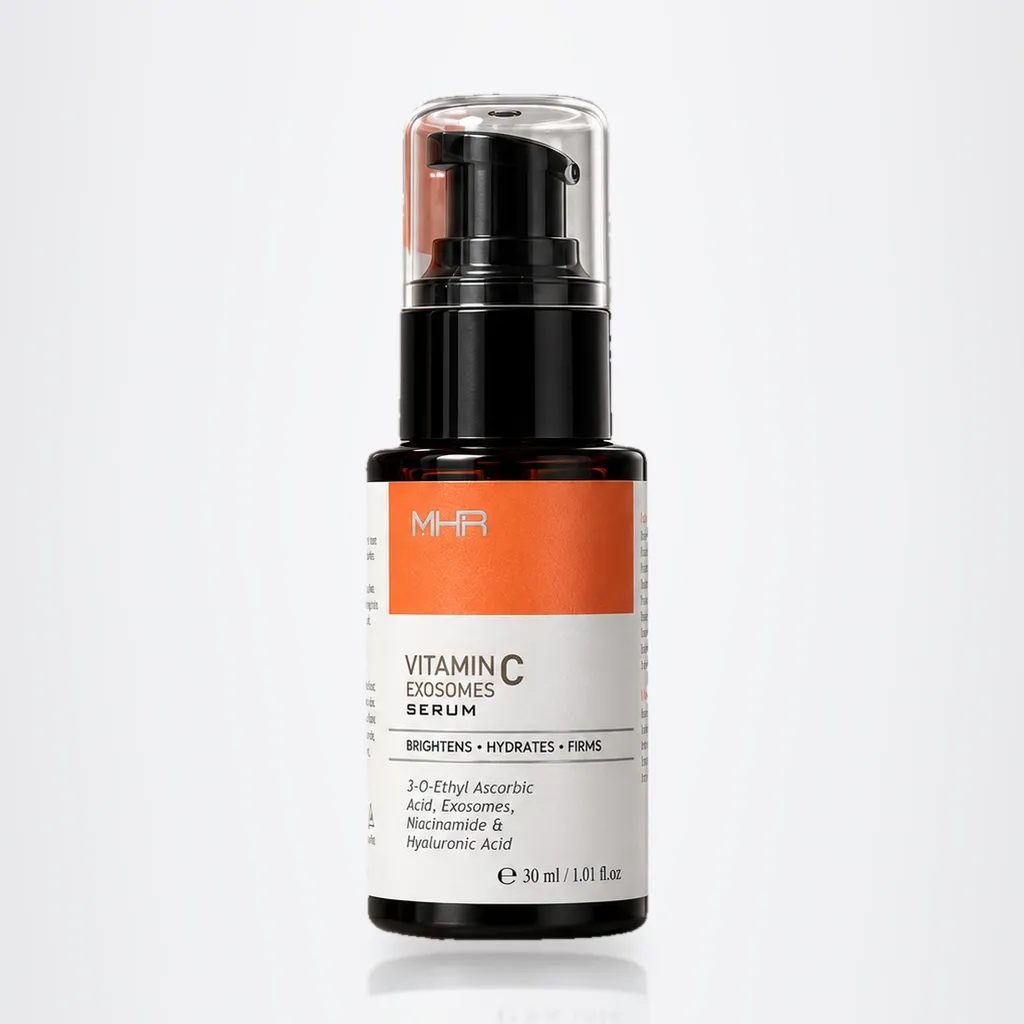
Many people do, for example a vitamin C serum in the morning and a brightening cream at night. Add one product at a time so you can tell how your skin responds.
This guide is general information, not medical advice. MHR products are cosmetic care and do not treat medical conditions. For persistent, changing or painful skin or scalp concerns, see a qualified doctor or dermatologist.
Sources
- World Health Organization: Mercury in skin lightening products (2019)
- World Health Organization: Mercury and health (fact sheet)
- American Academy of Dermatology: How to fade dark spots in darker skin tones
- American Academy of Dermatology: Melasma, overview
- American Academy of Dermatology: Melasma, diagnosis and treatment
- British Association of Dermatologists: Melasma (patient information)