If you have oily skin, look for a tinted sunscreen that is broad spectrum, SPF 30 or higher, non-comedogenic and fragrance-free, ideally with zinc oxide, and wear it over a light, oil-free routine. A tint also helps hide shine and redness, so you need fewer extra layers on top. Here's how to make it work through a Pakistani summer.
Why oily skin struggles with sunscreen
Heat and humidity make oil glands busier, and sweat sits on top. A rich sunscreen adds another layer, so by midday skin can look greasy and feel congested. Many people with oily skin respond by skipping sunscreen, which leaves dark marks from breakouts darker and longer-lasting. The answer isn't less sunscreen. It's a formula and routine that suit oily skin.
What to look for on the label
- Non-comedogenic or oil-free: formulated not to clog pores.
- Zinc oxide: the American Academy of Dermatology suggests zinc oxide or titanium dioxide for oily, acne-prone skin.
- Fragrance-free and alcohol-free: less likely to irritate skin that's already reactive from breakouts.
- Water resistant: holds up better when you sweat.
- Iron oxides: the tint that covers the white cast and helps filter visible light, which can deepen post-acne marks.
Why a tint helps oily skin
A tinted mineral sunscreen evens out the look of redness, marks and visible pores, so on many days you can skip foundation. Fewer layers means less product sitting on oily skin. Because the tint comes from iron oxides, it also adds protection against visible light, which matters if you're trying to fade marks left by spots.
A morning routine for oily skin
- Cleanse with a gentle, foaming or gel cleanser and lukewarm water.
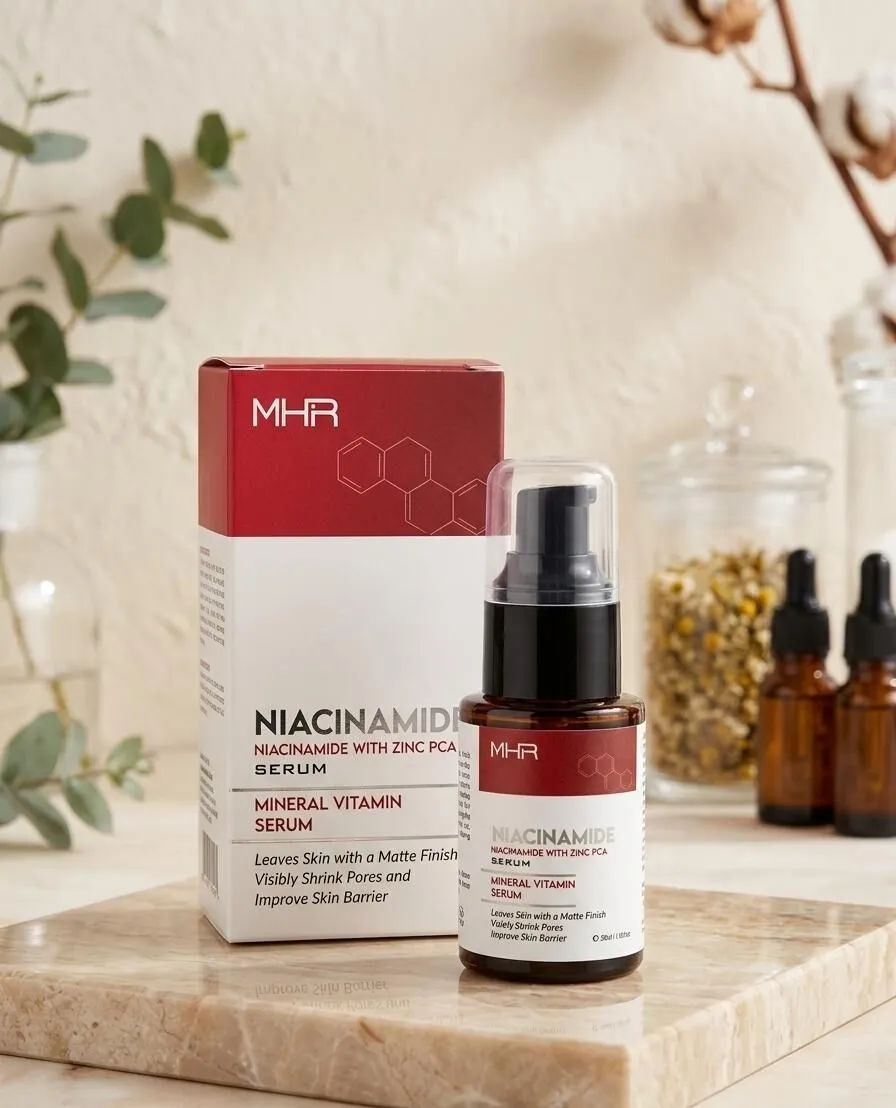
- Balance (optional): a niacinamide serum, such as our Niacinamide with Zinc PCA Serum, helps with shine and the look of pores.
- Moisturise lightly. Oily skin still needs water. A gel or oil-free lotion is enough, and in peak summer some people find a hydrating serum alone is plenty.
- Protect: two finger-lengths of tinted sunscreen for face and neck, smoothed on evenly as the last step. Wait about 15 minutes before going out.
Through the day: reapplying and blotting
- Reapply about every two hours outdoors, and after sweating or wiping your face.
- Blot before you reapply: press blotting paper on your T-zone for a few seconds. Rubbing spreads oil and lifts the sunscreen you already have.
- Pat a thin layer of sunscreen on top rather than rubbing hard, so the tint stays even.
- Keep your hands and phone screen clean. Both move oil and bacteria onto your skin.
In the evening
Mineral sunscreen and sweat need a proper cleanse at night. Wash once with a gentle cleanser, twice if you've worn makeup on top. Don't scrub: over-cleansing can make skin feel tight and look oilier.
Under makeup
Let the sunscreen set for a few minutes before anything goes on top. On oily skin, a thin mattifying primer on the T-zone only, then a light, oil-free foundation pressed on with a sponge, moves the sunscreen less than rubbing with fingers or a brush. Because the sunscreen is tinted, you may only need foundation where you want extra coverage. To reapply over makeup, blot first, then press a thin layer of sunscreen on with clean fingertips or a damp sponge.
Winter, smog and air conditioning
Oily skin doesn't switch off in winter. In smog season the sky can look grey, but UV still reaches your skin, so keep wearing sunscreen when you're outdoors. Cold air and long hours in air conditioning can also leave oily skin dehydrated: shiny on the surface but tight underneath. If that happens, keep the same tinted sunscreen and add a hydrating serum underneath rather than switching to a heavy cream.
Common mistakes
- Using too little to avoid a greasy feel. You lose much of the protection on the label.
- Skipping moisturiser. Dehydrated skin can look oilier.
- Powdering heavily instead of blotting and reapplying.
- Relying on SPF in makeup alone. You'd need far more than anyone applies.
Choosing your sunscreen
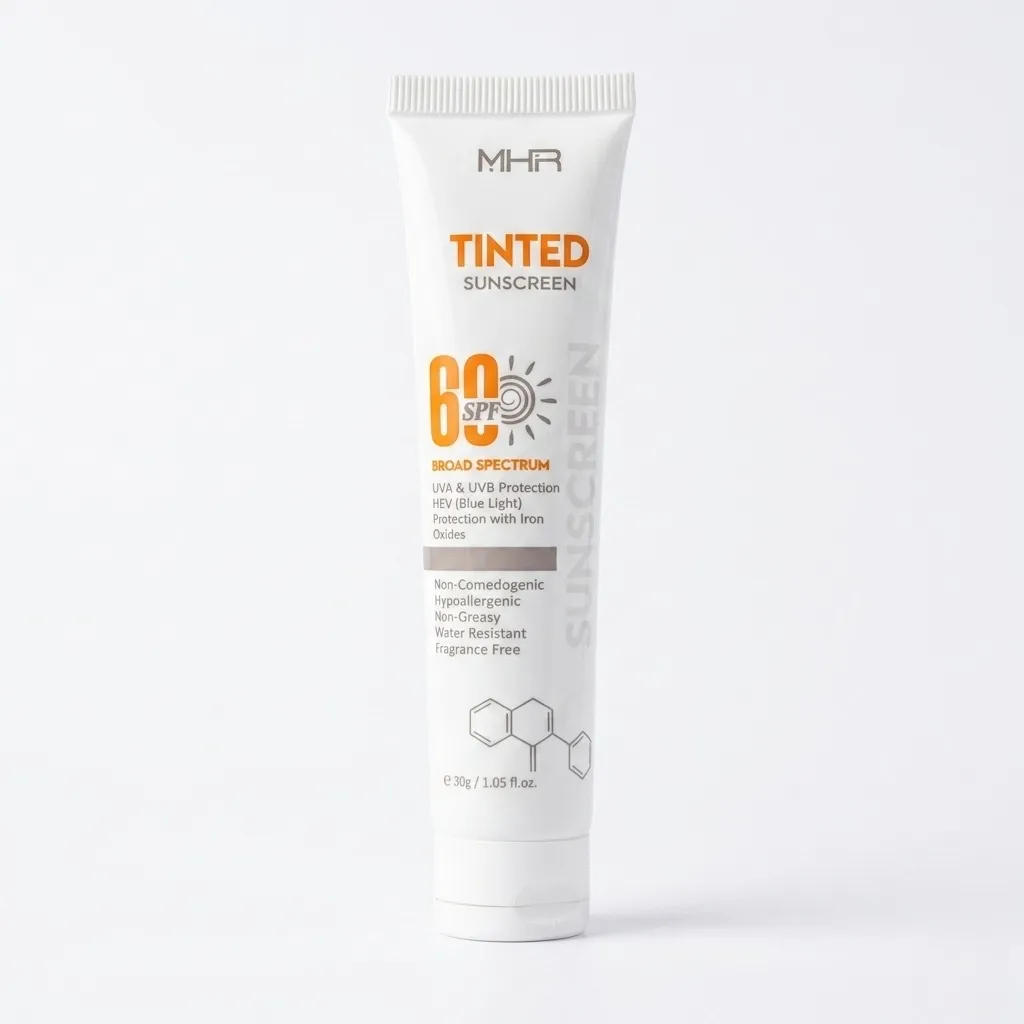
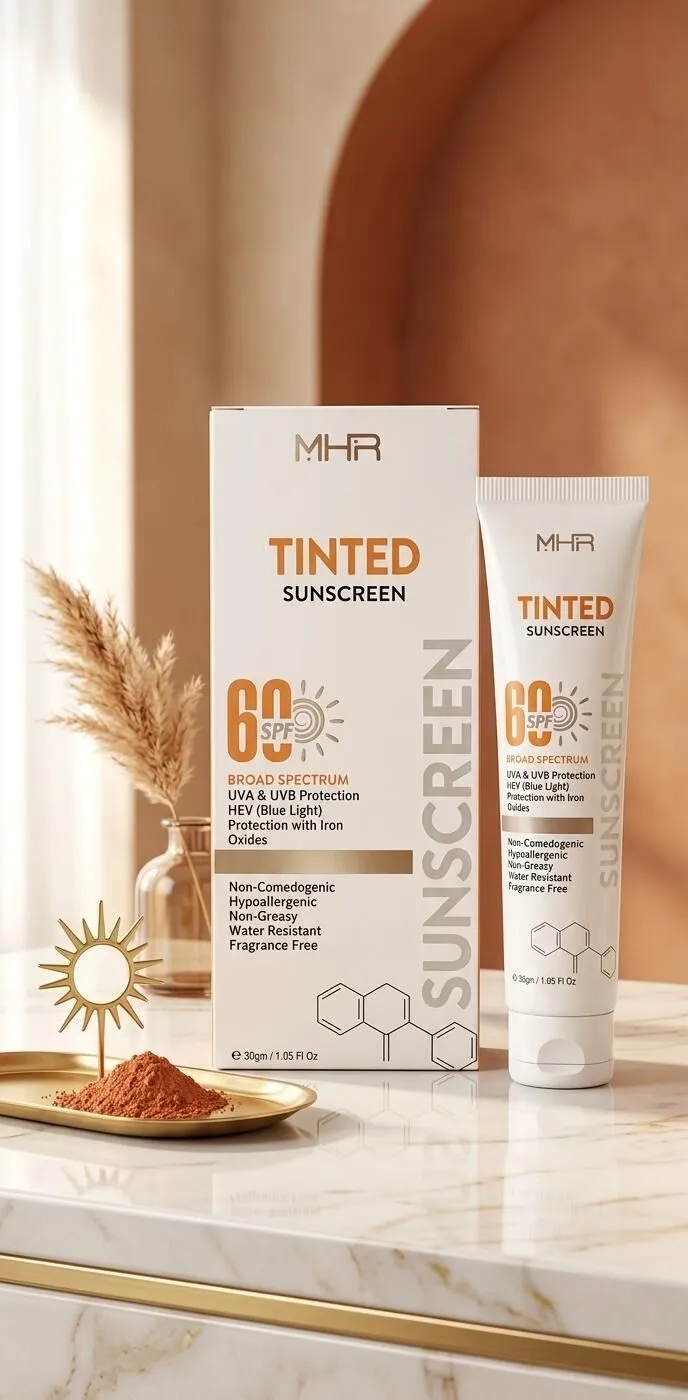
Our mineral tinted sunscreen, Tinted Mineral Sunscreen SPF 60, is non-comedogenic, fragrance-free and alcohol-free, with 20% zinc oxide and an iron-oxide tint. Browse tinted sunscreen in our shop, compare formulas with our guide to choosing a tinted SPF 60, and read Sunscreen for Oily Skin in Pakistan's Summer for more on shine control in the heat.
Common questions
Will a tinted sunscreen cause breakouts?
Any product can break out some people. A non-comedogenic, fragrance-free mineral formula lowers the risk. Introduce it on its own for a couple of weeks so you can tell what's causing what.
Do I need sunscreen if I'm indoors most of the day?
If you sit near a window or go out at lunch, yes. Apply it in the morning anyway and reapply before you head out later. It's an easy habit that protects your skin on the days plans change.
Can I use it with acne treatments?
Usually, yes, and sunscreen is especially important with treatments that make skin more sun-sensitive. Ask your doctor or pharmacist about your specific treatment.
This guide is general information, not medical advice. MHR products are cosmetic care and do not treat medical conditions. For persistent, changing or painful skin or scalp concerns, see a qualified doctor or dermatologist.