Look for a broad-spectrum sunscreen of SPF 30 or higher, labelled oil-free and non-comedogenic, and reapply it about every two hours outdoors. That advice from the American Academy of Dermatology matters even more in a long, hot summer, when sweat wears sunscreen away faster.
What to look for on the label
- Broad spectrum: covers both UVA and UVB.
- SPF 30 or higher: the minimum dermatologists recommend.
- Water resistant: useful when you are sweating.
- Oil-free and non-comedogenic: less likely to clog pores.
- Zinc oxide or titanium dioxide: the AAD suggests these filters for oily skin, and advises avoiding fragranced or oil-based formulas if you are prone to breakouts.
Every formula feels different on oily skin, so try a small area first and check the full ingredient list on the pack. That includes ours.
How to apply it
- Cleanse, then apply any serum and a light moisturiser. Oily skin still benefits from hydration.
- Apply a generous, even layer to your face and neck as the last step of your morning skincare.
- Allow about 15 minutes before going into the sun.
Reapplying in the heat
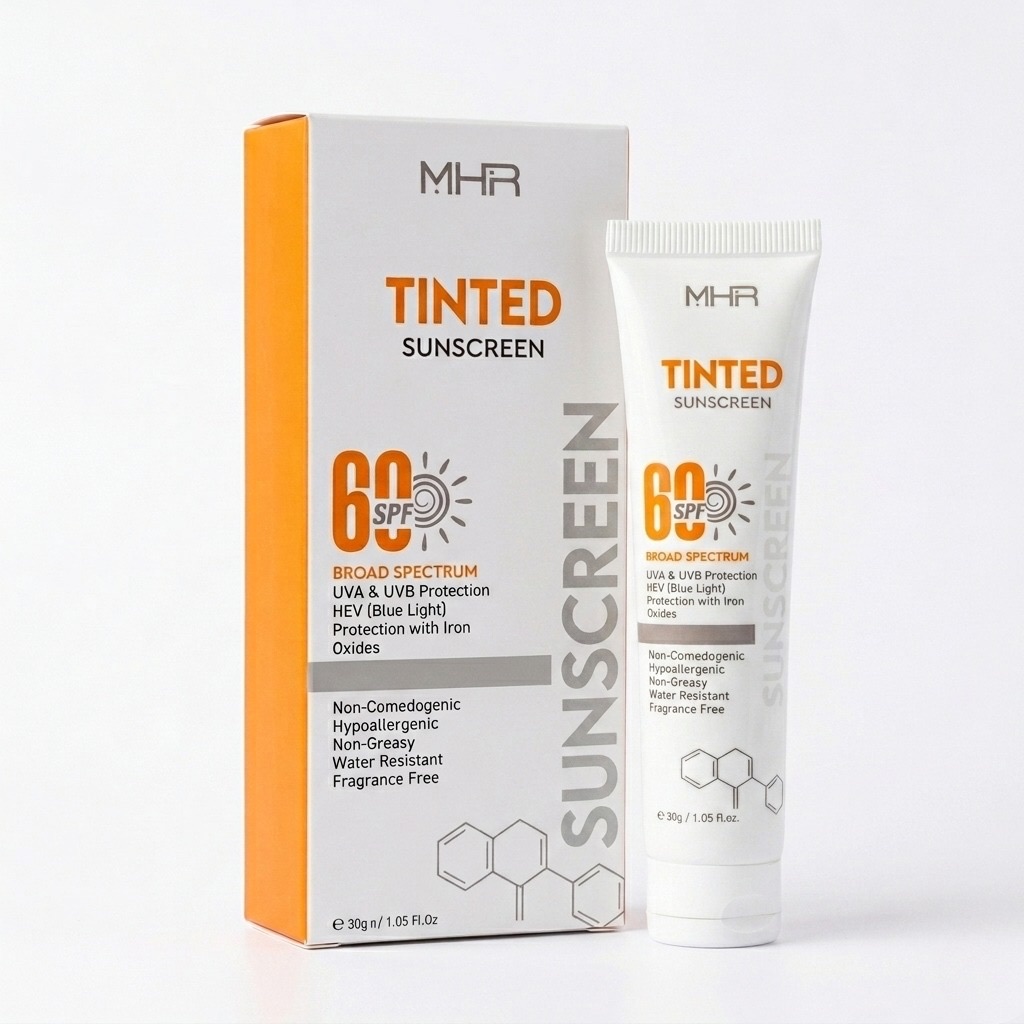
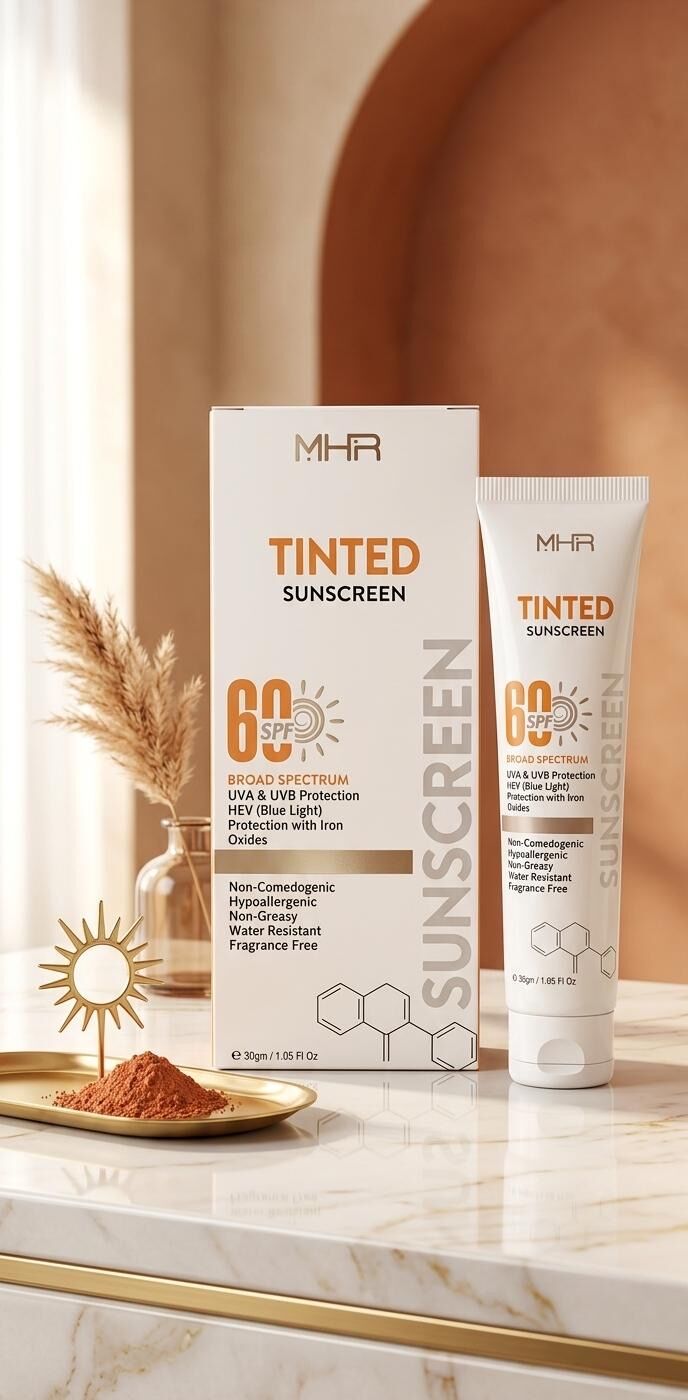
Reapply about every two hours when you are outdoors, and straight after sweating or swimming. A higher SPF does not change this. Our Tinted Mineral Sunscreen SPF 60 needs reapplying just as often as an SPF 30.
Managing shine through the day
- Cleanse up to twice a day, and after heavy sweating. Avoid scrubbing.
- Press blotting paper gently onto oily areas for a few seconds. Rubbing can spread the oil around.
- Reapply sunscreen after blotting if you have been outdoors for a while.
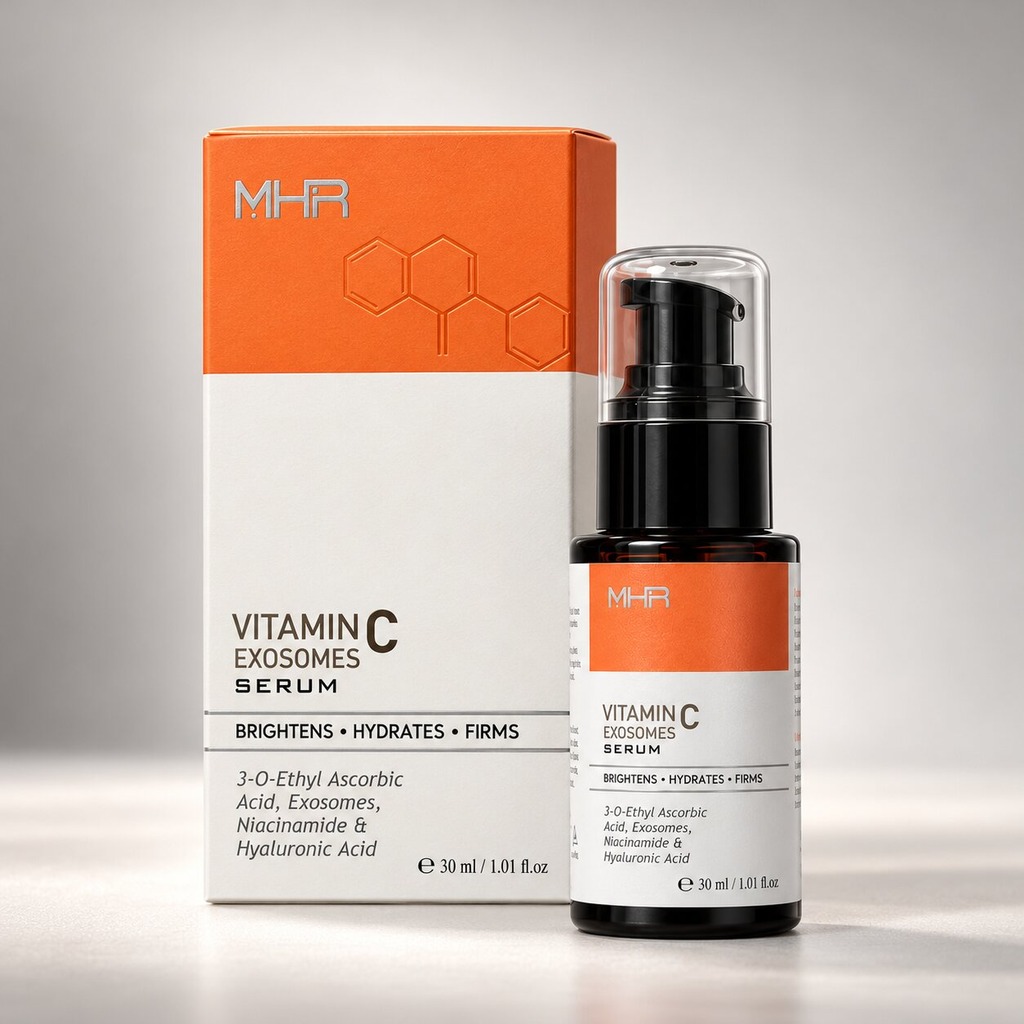
- Look for lighter products. A serum under sunscreen often feels better in the heat than a rich cream.
Common questions
Do I need sunscreen if my skin is darker?
Yes. Anyone can get skin cancer, whatever their skin tone, and sun exposure can make dark marks last longer. The AAD also notes that visible light can darken skin, particularly deeper skin tones. Tinted sunscreens help with that.
Do I need it on cloudy days?
Yes. UV reaches your skin through cloud, so wear it whenever you will be outdoors.
This guide is general information, not medical advice. MHR products are cosmetic care and do not treat medical conditions. For persistent, changing or painful skin or scalp concerns, see a qualified doctor or dermatologist.